









One tank, two damage, two supports: what each seat is for
Role Queue fixes the shape of every team. Knowing what each seat is expected to do — and what the subroles tell you about a hero — is the fastest way to stop losing fights you should win.

01The tank decides where the fight happens
With a single tank per team, that player is the team's front line and its clock. They take space, draw the enemy's attention and cooldowns, and choose the moment to commit. A tank who walks in too early loses the fight alone; one who never walks in lets the enemy set up for free. The rest of the team plays around them, so the tank's first job is to be where the team can follow.
- Stay within your supports' line of sight: a tank without healing is a tank on a timer.
- Your defensive cooldowns are for the damage that would kill you, not for every hit.
- If you die first, back off next time before you have to: the fight usually goes with you.
02Damage turns space into eliminations
Two damage heroes per team means two chances to open a second line of fire. The tank creates pressure from the front; damage players punish enemies who turn to deal with it. The strongest thing a damage hero can do is take an angle the enemy can't watch at the same time as your tank, then focus the same target as the rest of the team.
- Spread damage gets healed; focused damage gets eliminations.
- Track the enemy supports' escape and protection cooldowns and strike when they're spent.
- Once an angle has been found and focused, leave it.
03Supports keep the fight going — and win it too
Supports keep their team alive, but their utility wins as many fights as their healing: a sleep, an anti-heal, a speed boost or a save can swing a fight on its own. Good supports stay where they can see most of their team with cover close by, heal the ally who is about to die rather than the one missing a little health, and shoot whenever nobody needs them.
04What the subroles tell you
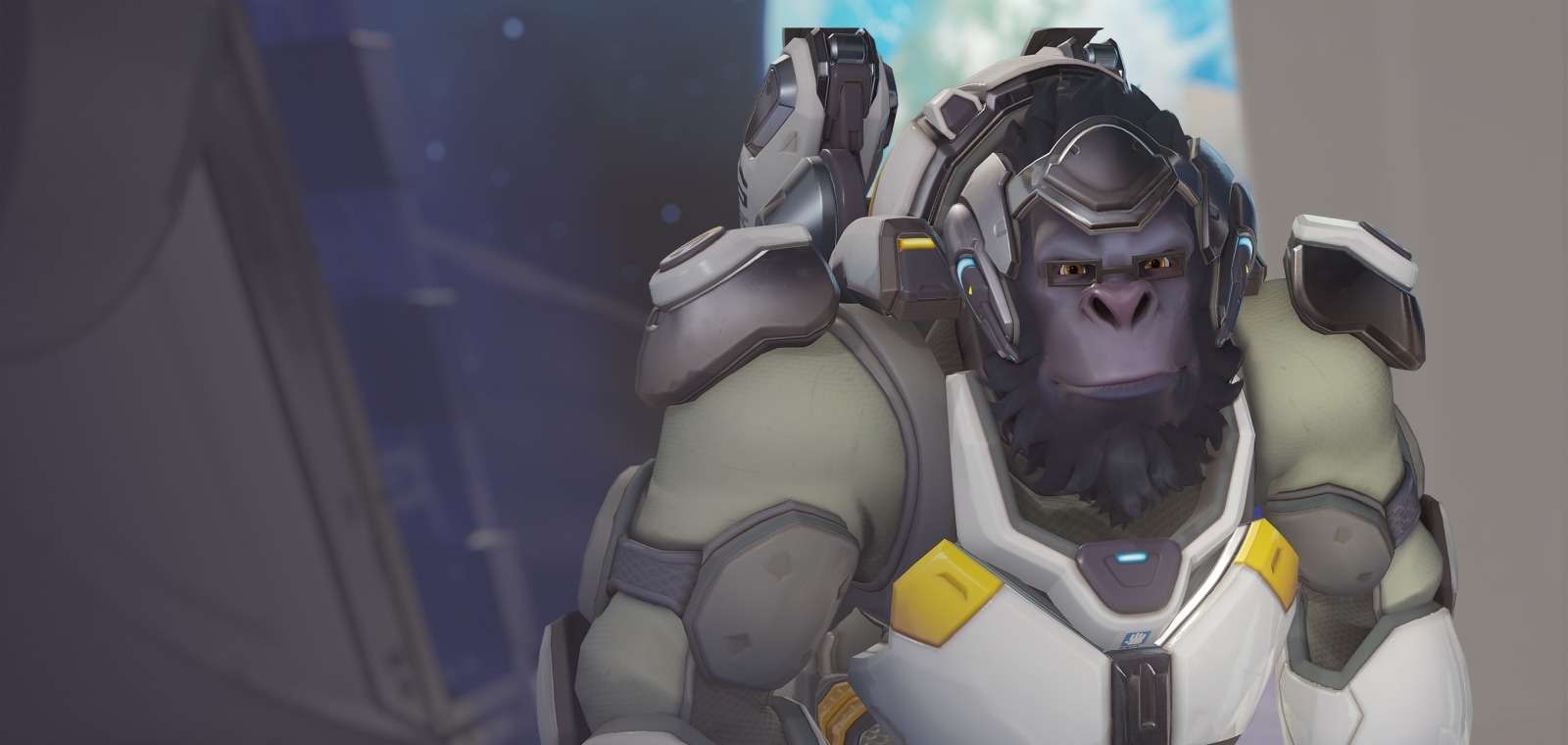
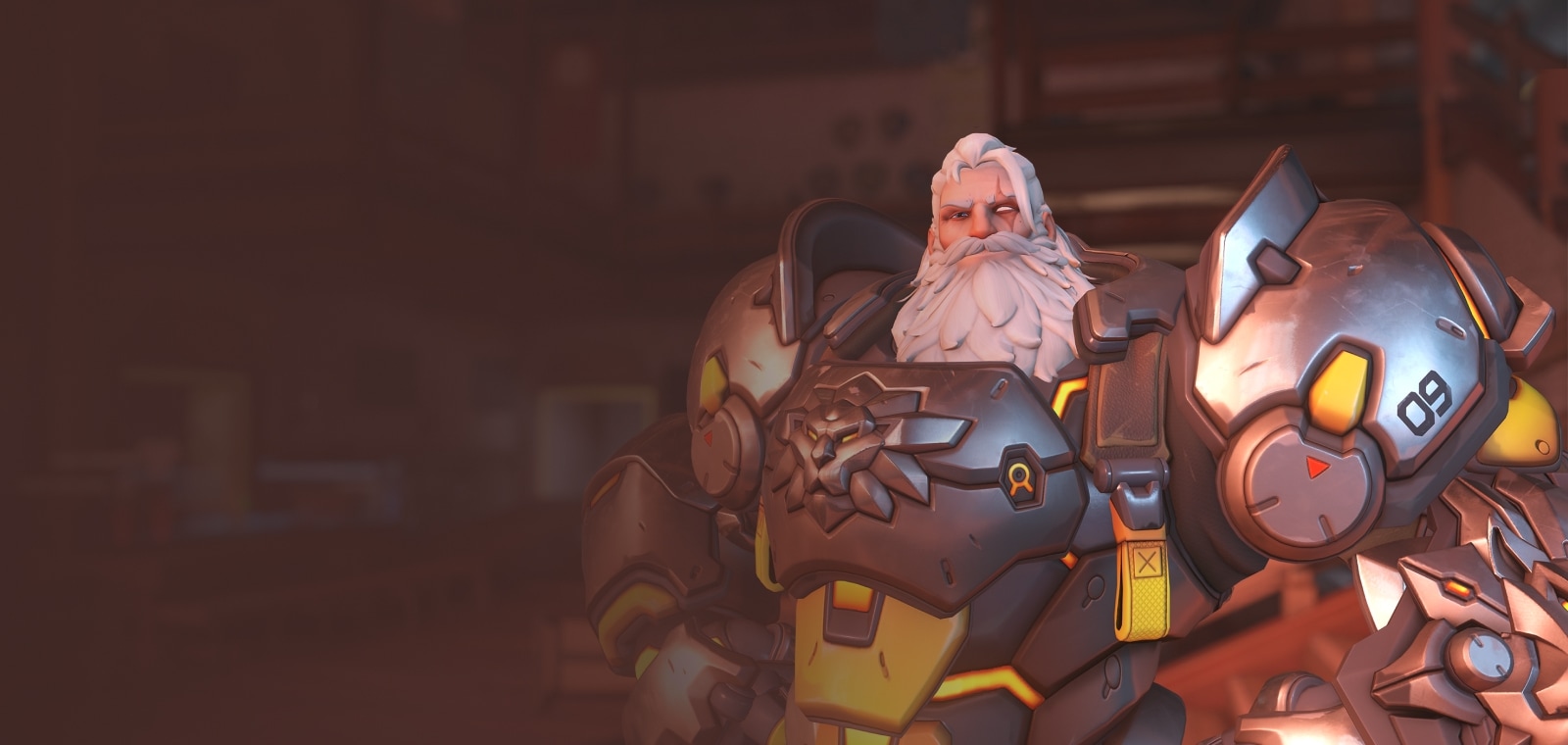
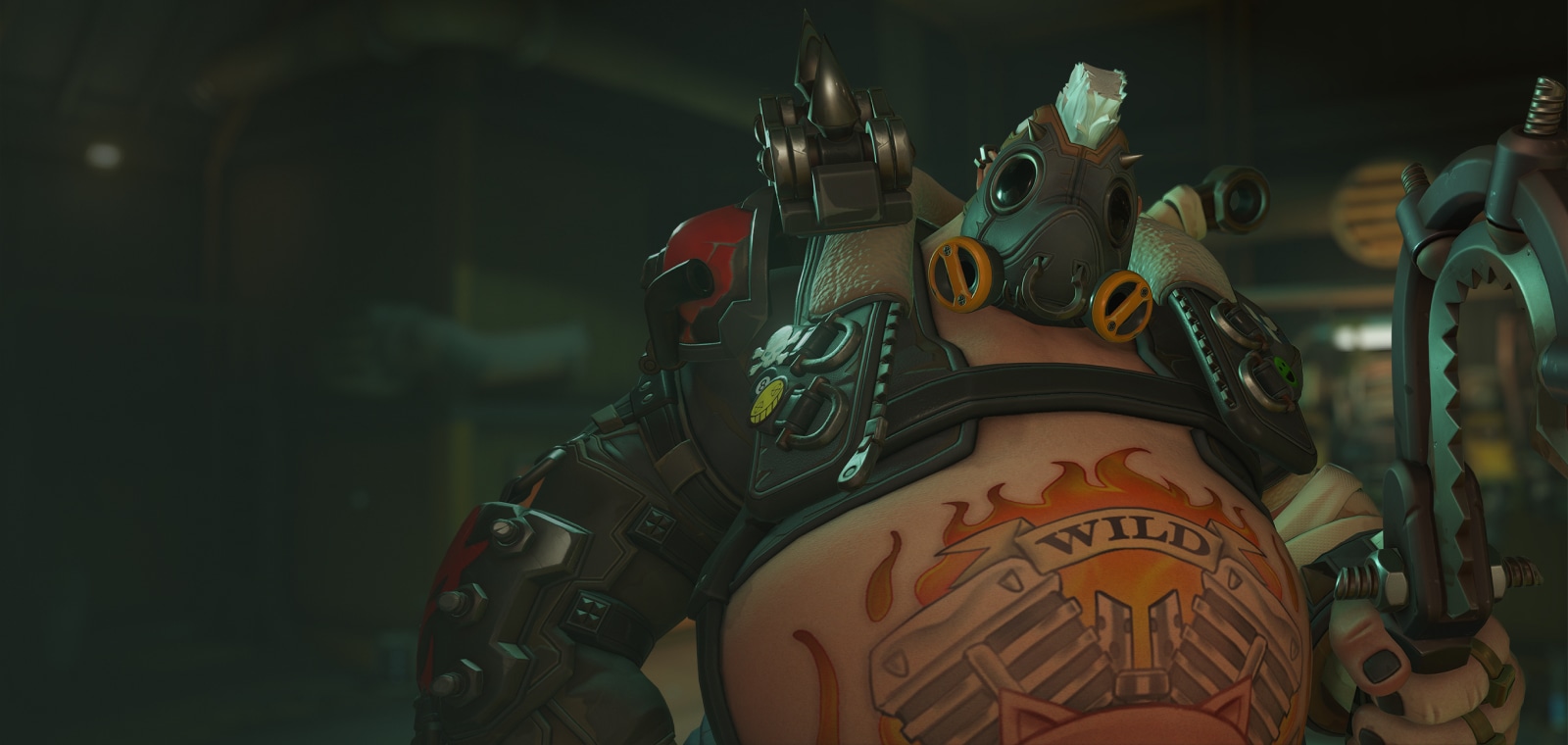
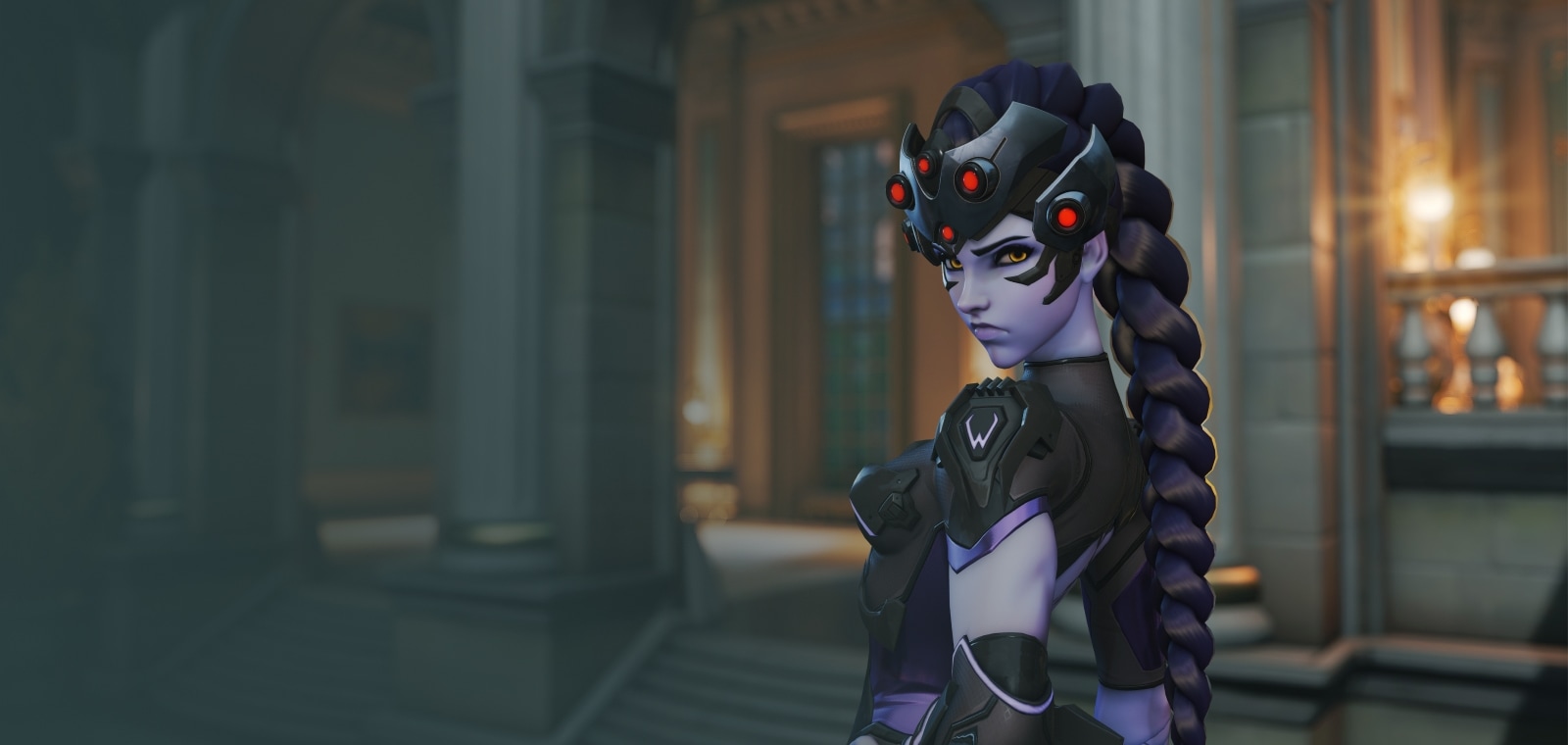
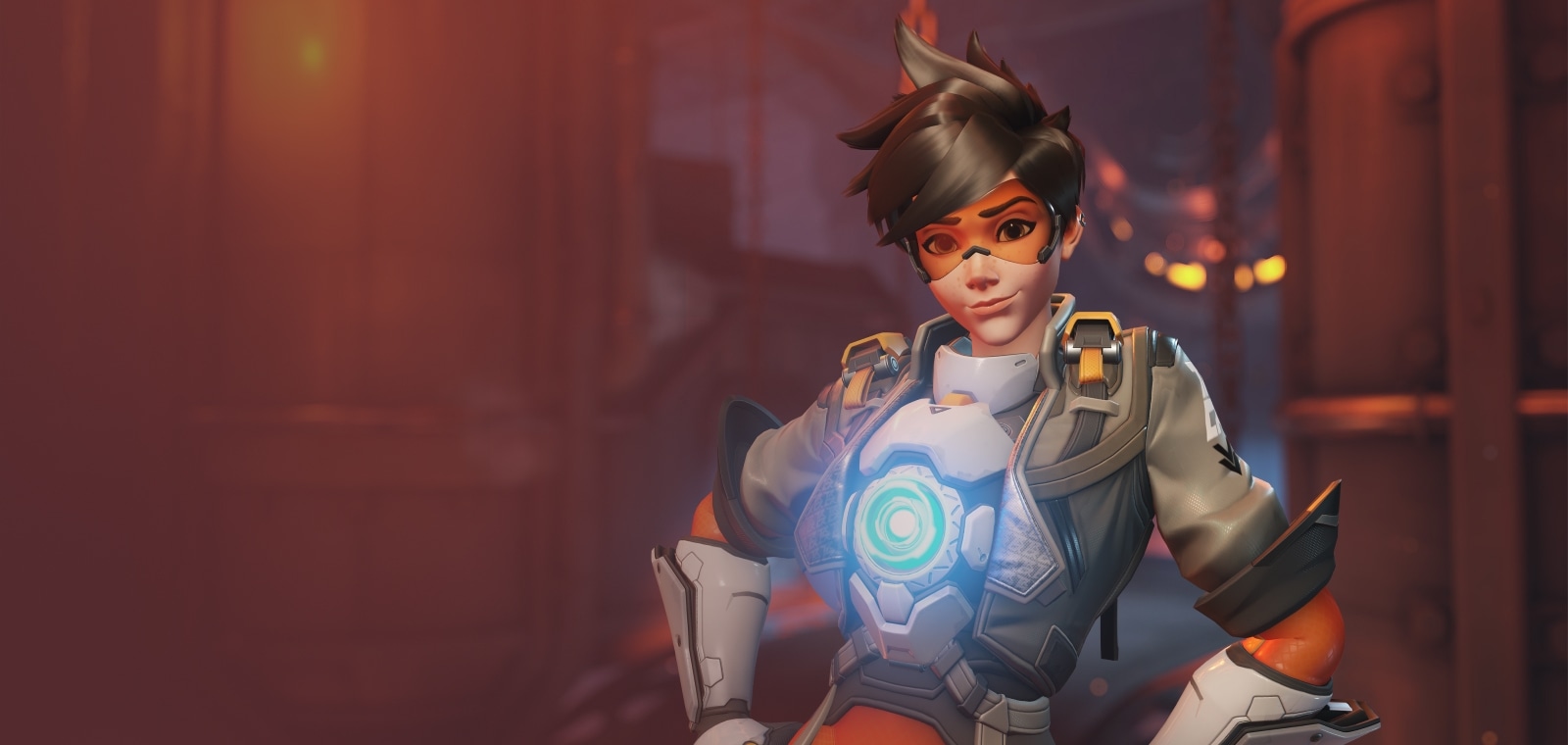
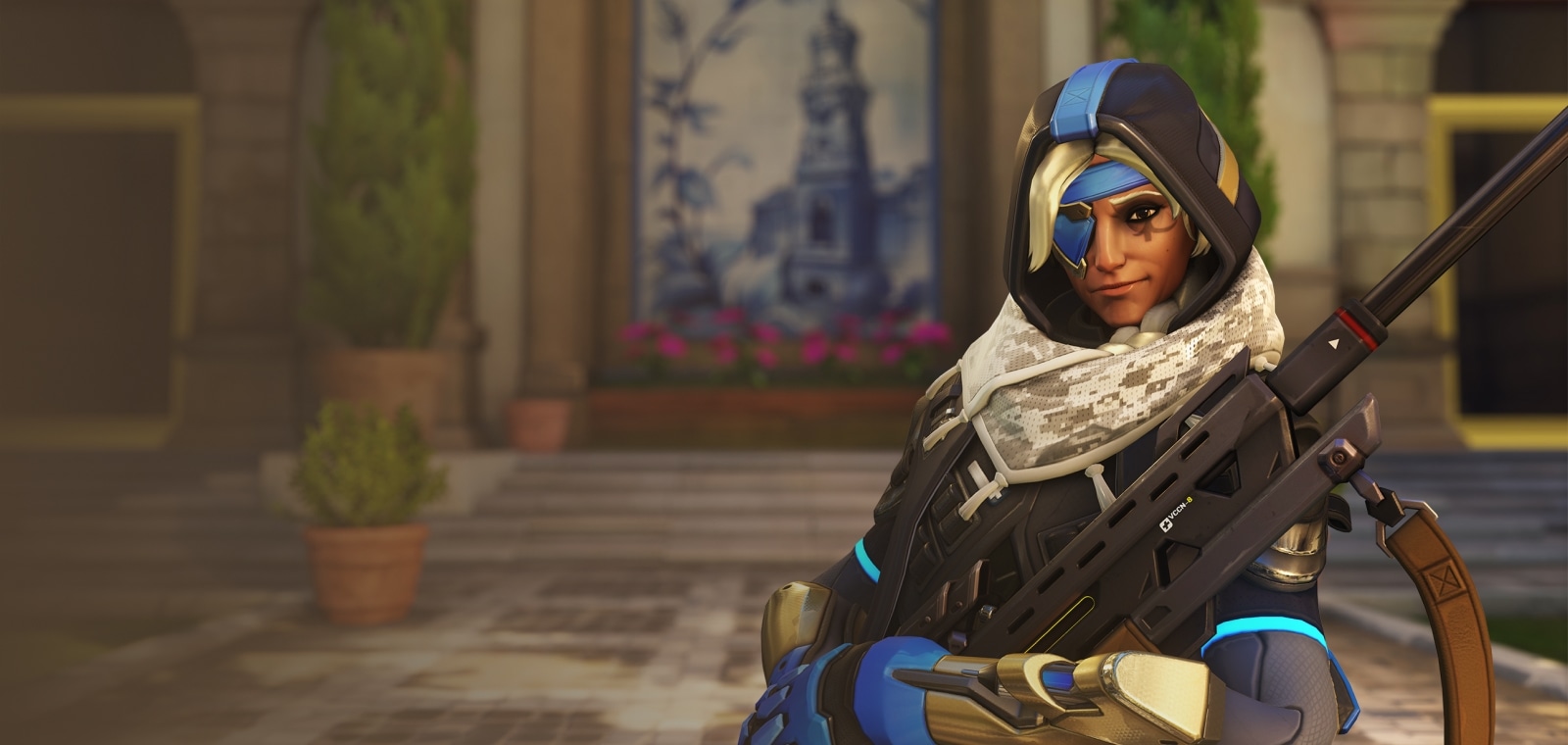
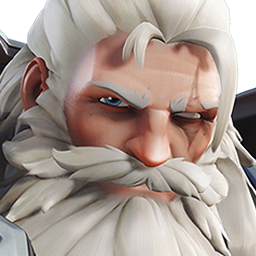
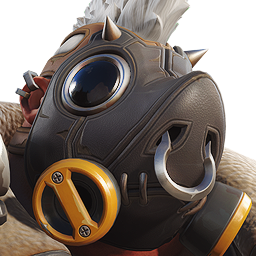
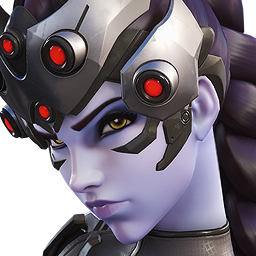
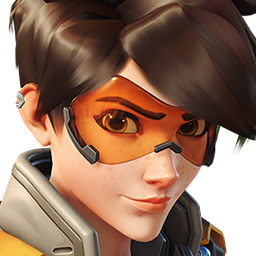
Blizzard sorts each role into subroles, and they are a quick read of how a hero plays: among tanks, initiators like Winston dive in, stalwarts like Reinhardt hold a line and bruisers like Roadhog brawl up close; among damage heroes, sharpshooters like Widowmaker win at range while flankers like Tracer attack from behind; among supports, medics like Mercy focus on keeping allies alive, tacticians like Ana control fights with utility and survivors like Juno can look after themselves. A team with a clear plan usually picks subroles that point the same way — everyone diving together or everyone holding the same ground.

Was this helpful?
Your vote helps other players find the best guides.